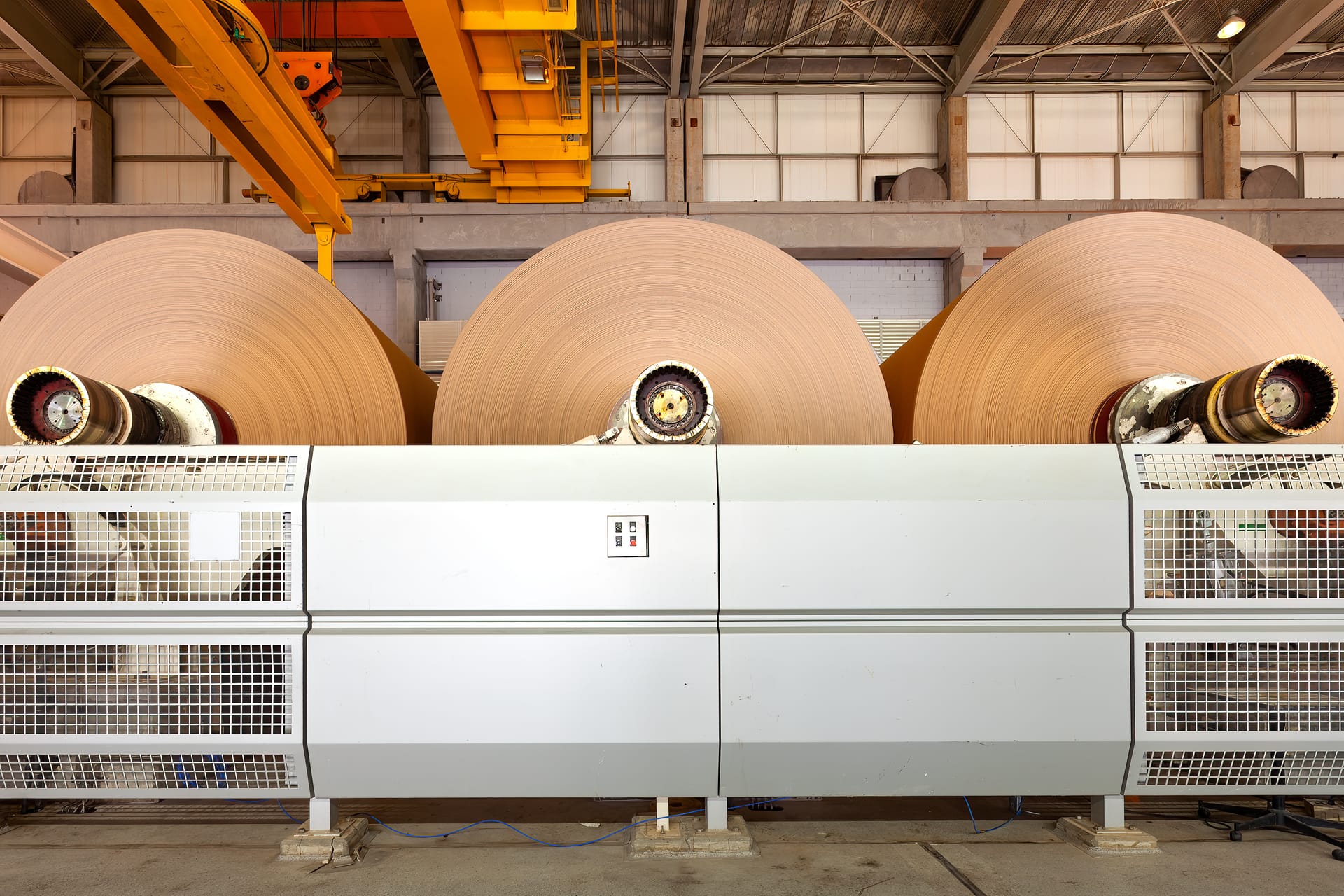
Stock Preparation/Effluent Treatment
Effluent Treatment Solutions
DAF systems, belt filter presses, rotary drum screens, and spray filters for paper mill wastewater treatment. Our ETP solutions help mills meet environmental regulations while recovering water and fiber.
Explore Our ETP Solutions
Dissolved air flotation, sludge dewatering, and water recovery systems — helping paper mills achieve zero liquid discharge and regulatory compliance.

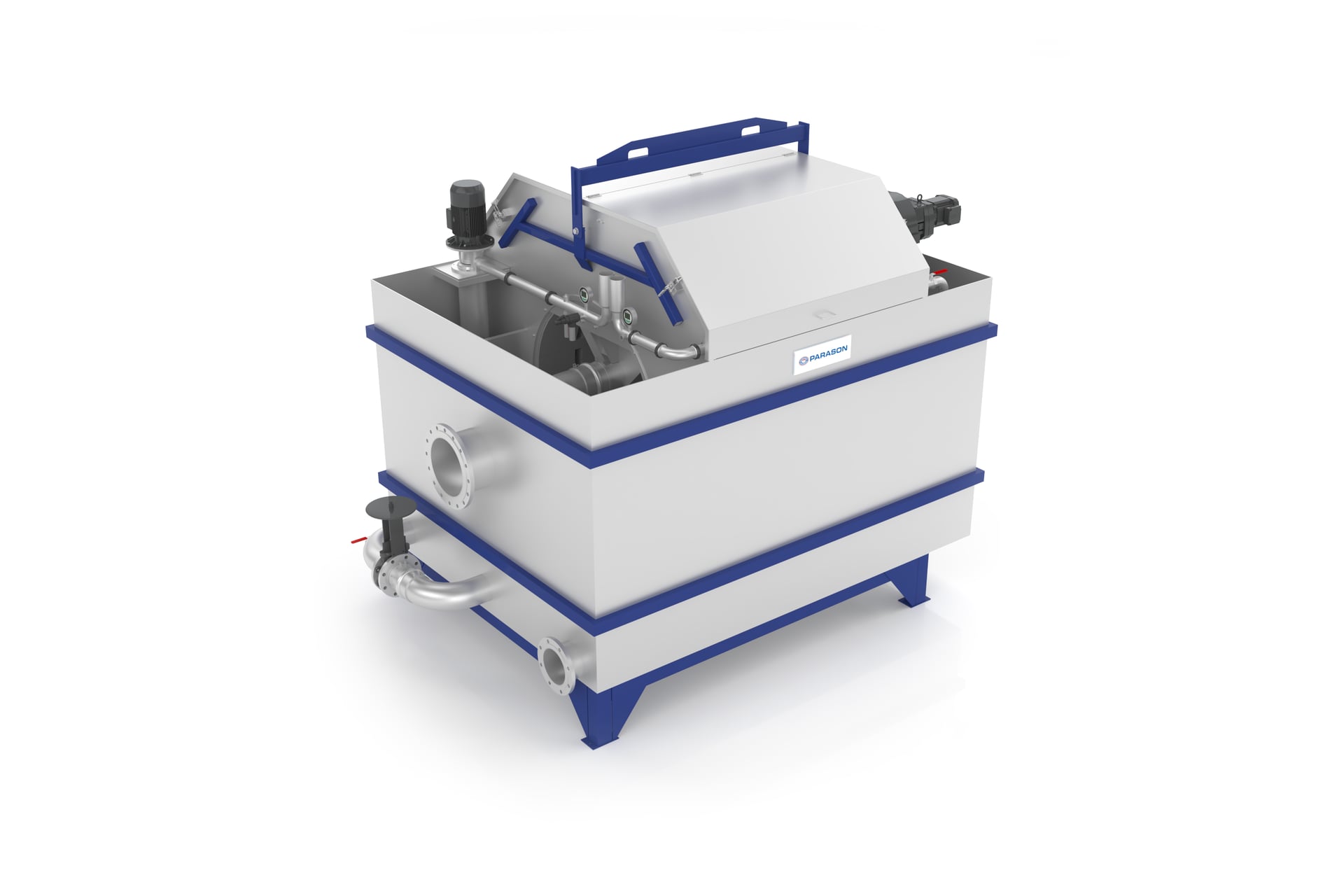
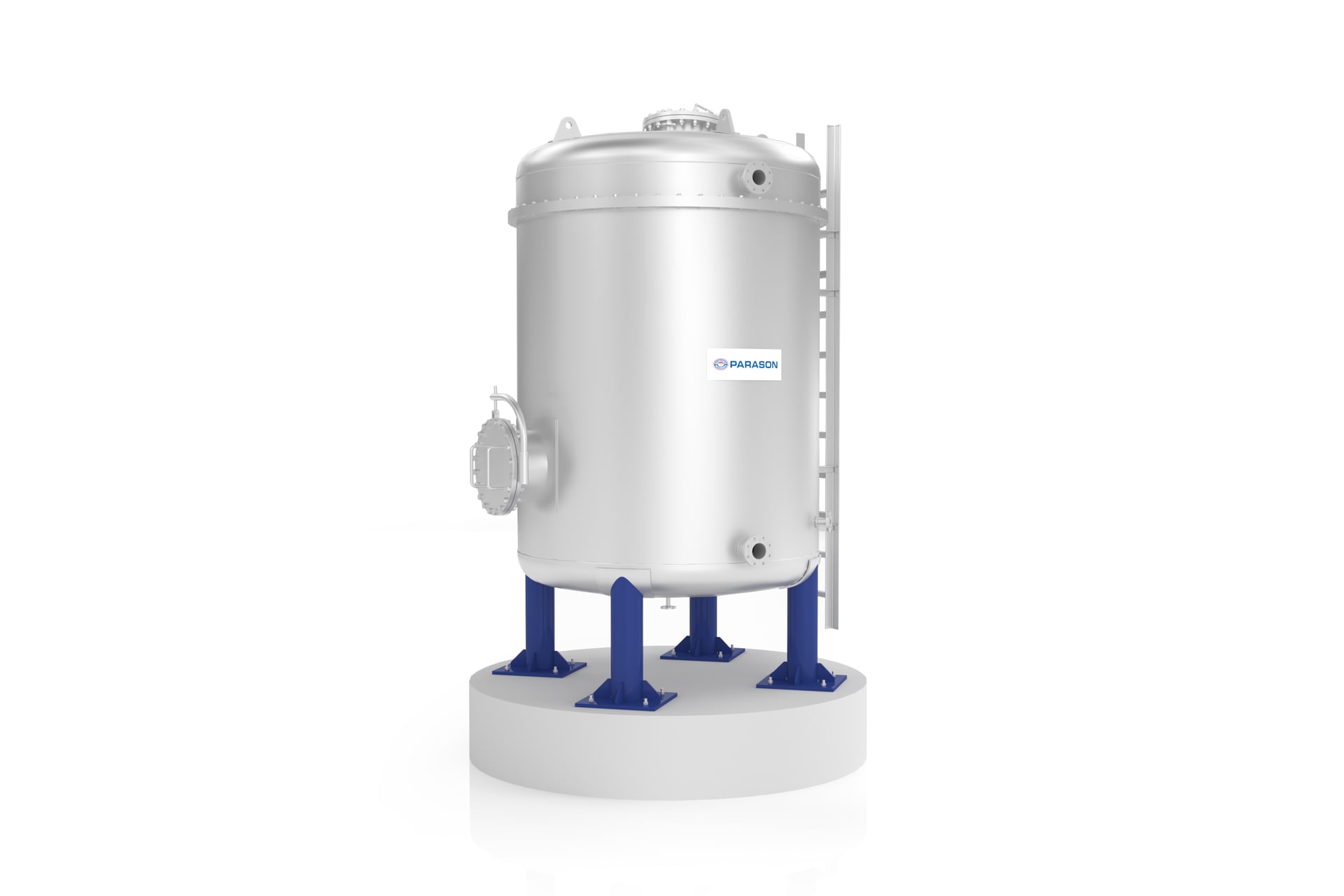
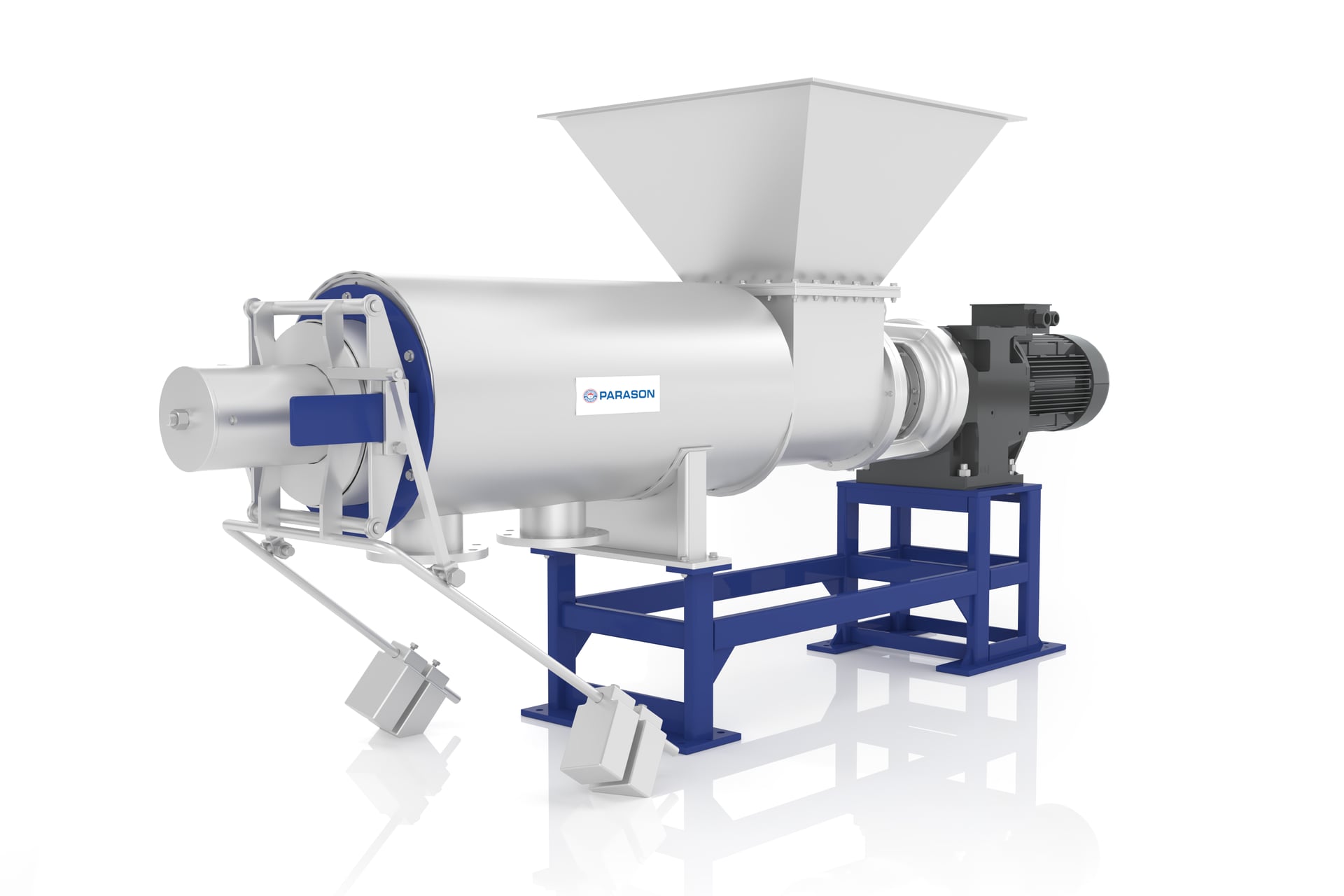
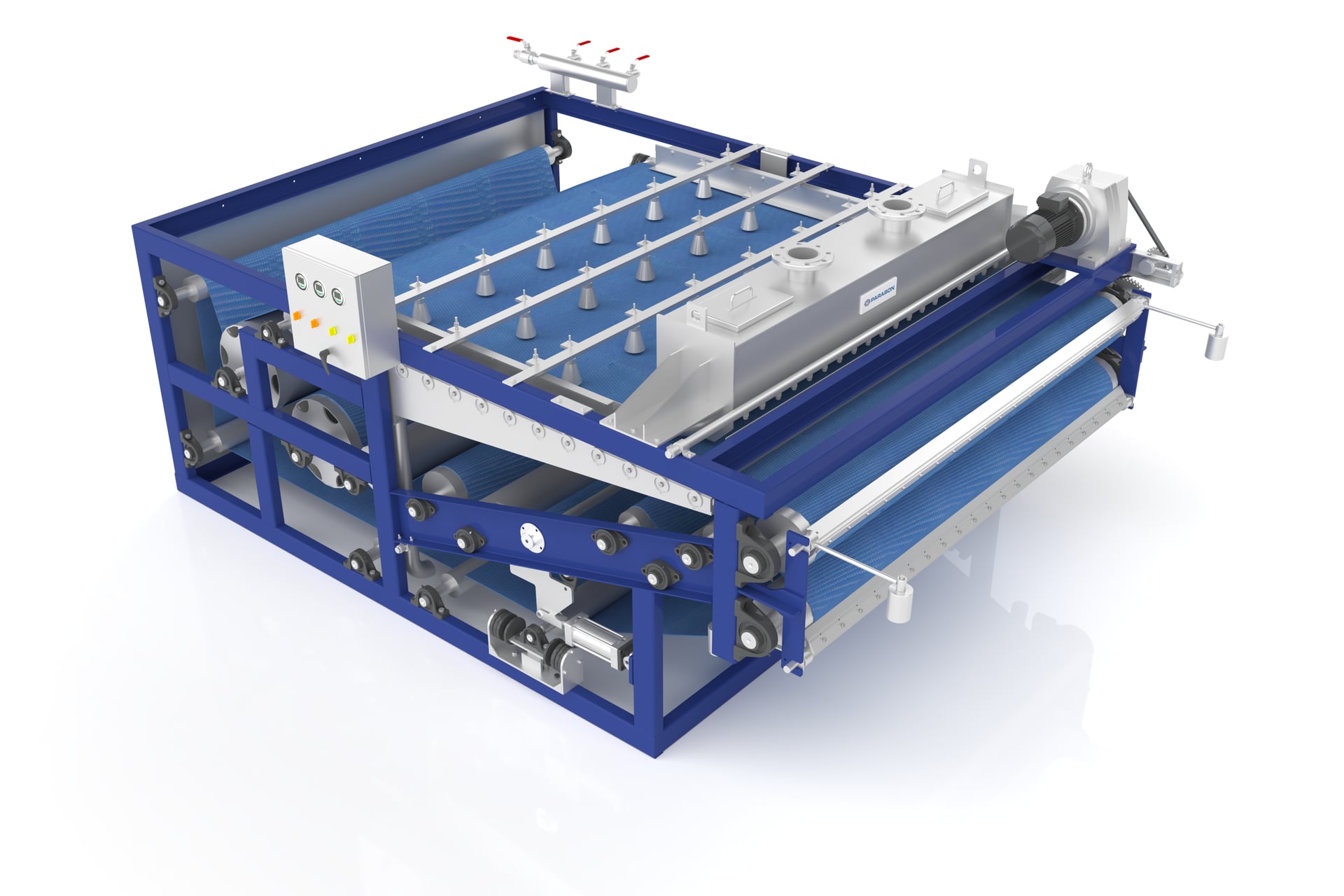
Why Choose Parason for ETP?
With over 50 years of engineering excellence, Parason delivers ETP solutions trusted by 500+ paper mills across 75+ countries.
500+
Mills Served
Worldwide installations
75+
Countries
Global presence
50+
Years Experience
Engineering excellence
24/7
Support
Service & spare parts
Frequently Asked Questions About ETP Equipment
Why do pulp and paper mills need an ETP?+
Paper mills generate wastewater with fiber fines, chemicals, dissolved organics (high BOD/COD), and suspended solids. An ETP is mandatory under environmental regulations. Without ETP, mills cannot obtain environmental clearance. A well-designed ETP also enables water recycling, reducing freshwater consumption. See our complete stock preparation solutions.
What are the stages of effluent treatment in paper mills?+
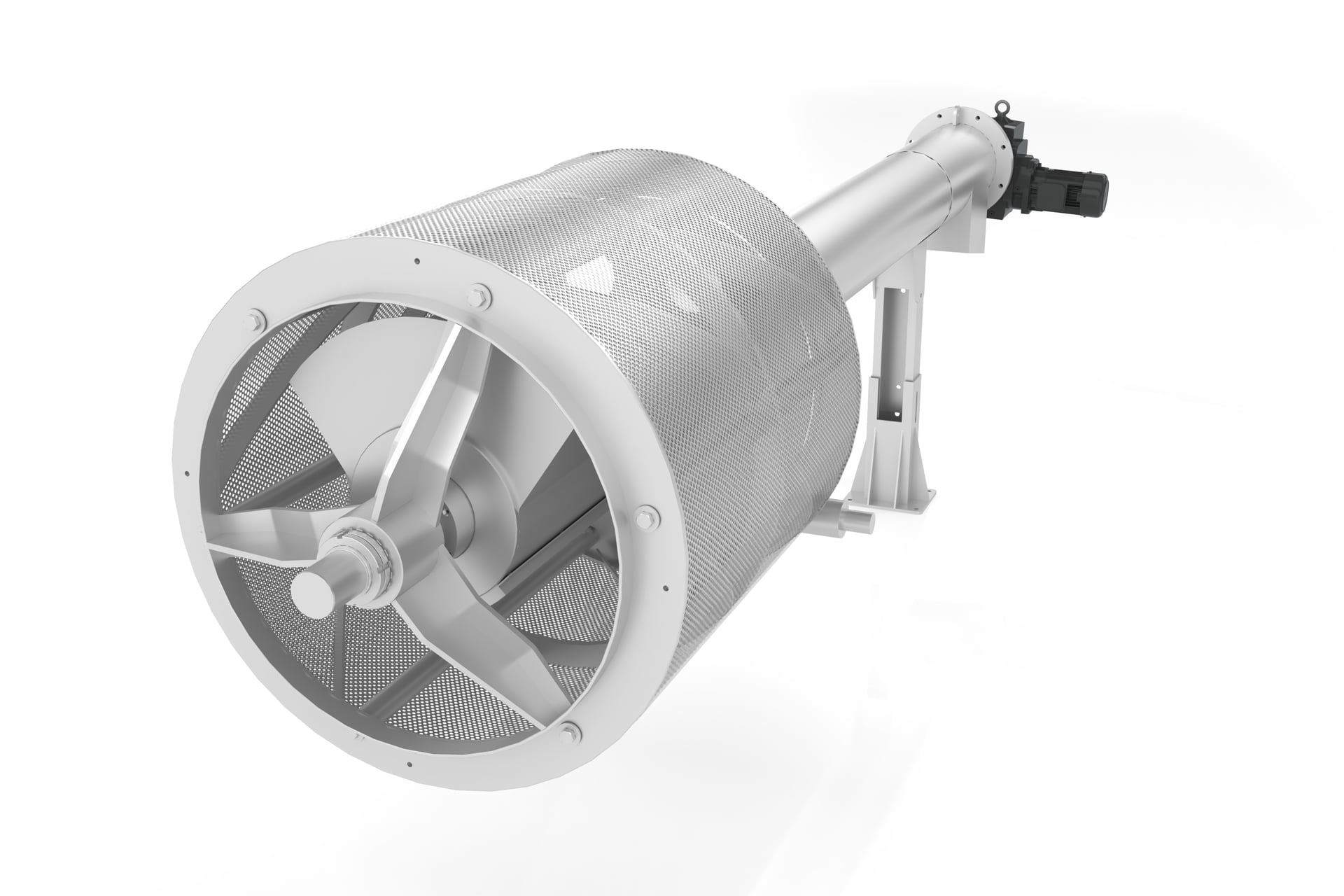
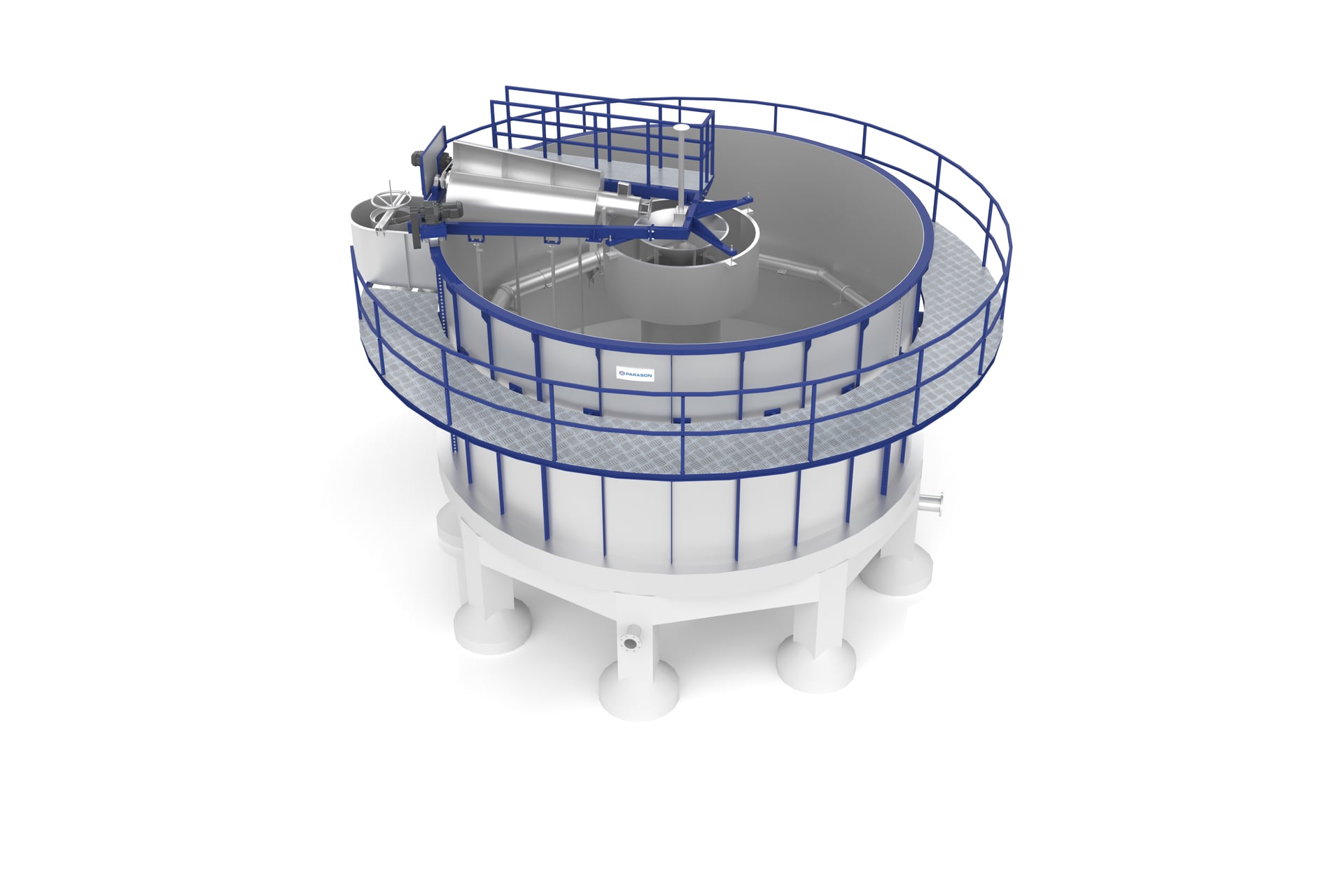
Primary treatment — physical removal of suspended solids using Rotary Drum Screw and Conventional Clarifier. Secondary treatment — biological treatment to reduce BOD/COD using DAF Flotation Cell. Tertiary treatment — polishing using Pressure Sand Filter and Water Softener.
What is a DAF system and how is it used in paper mill ETP?+
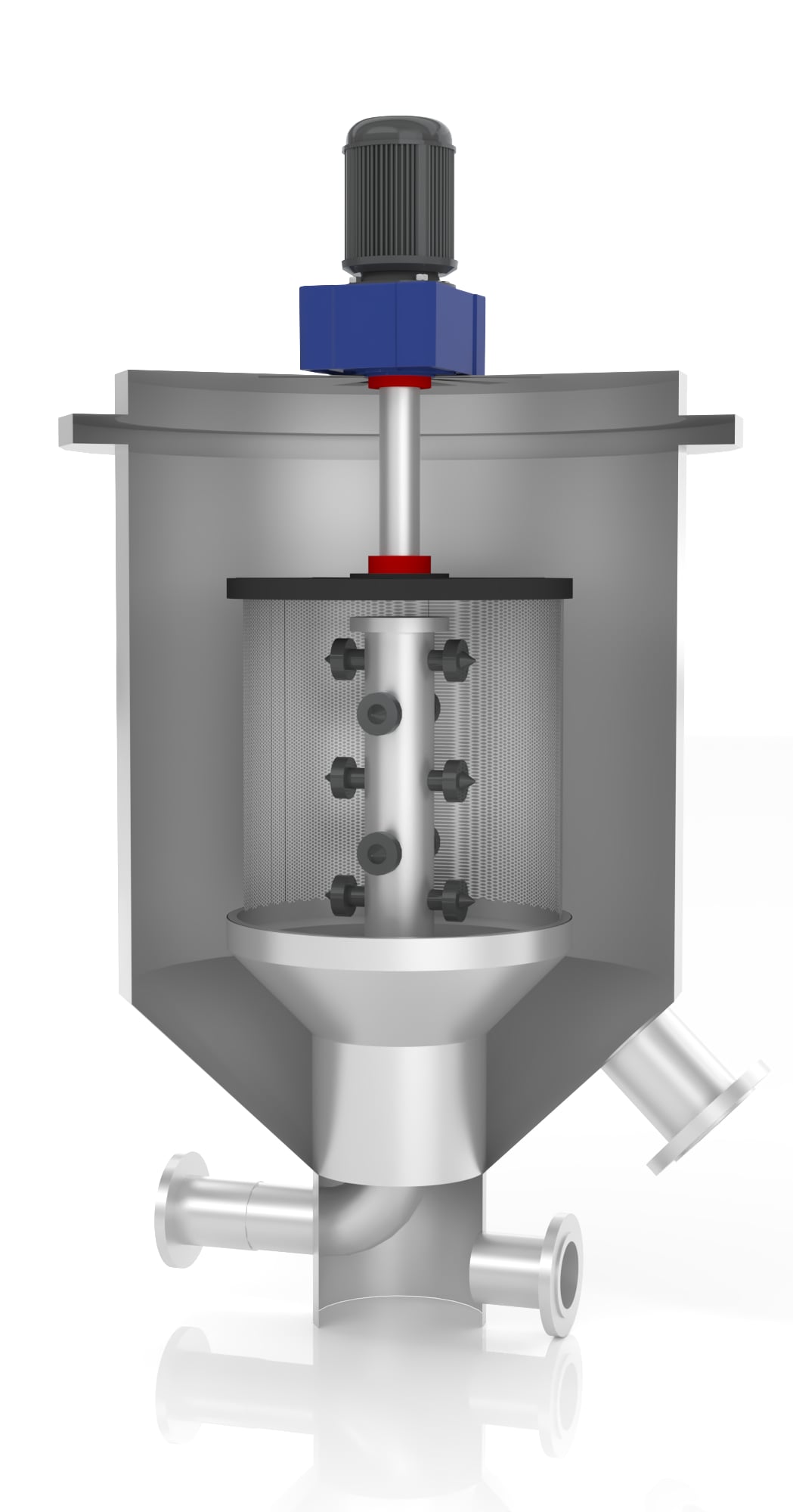
DAF (Dissolved Air Flotation) creates fine micro-bubbles that attach to contaminants, carrying them to the surface. Parason's Flotation Cell (FC) achieves over 95% TSS removal in paper mill effluent.
What ETP equipment does Parason manufacture?+
10 machines: Rotary Drum Screw (DS), Flotation Cell (FC), Conventional Clarifier (PCR), Spray Filter, Pressure Sand Filter (PSF), Fifty Filter (FF), Water Softener, Reject Fan Press (PFP), Belt Filter Press (BFP), and Sludge Screw Press (SSP).
How is sludge from a paper mill ETP handled?+
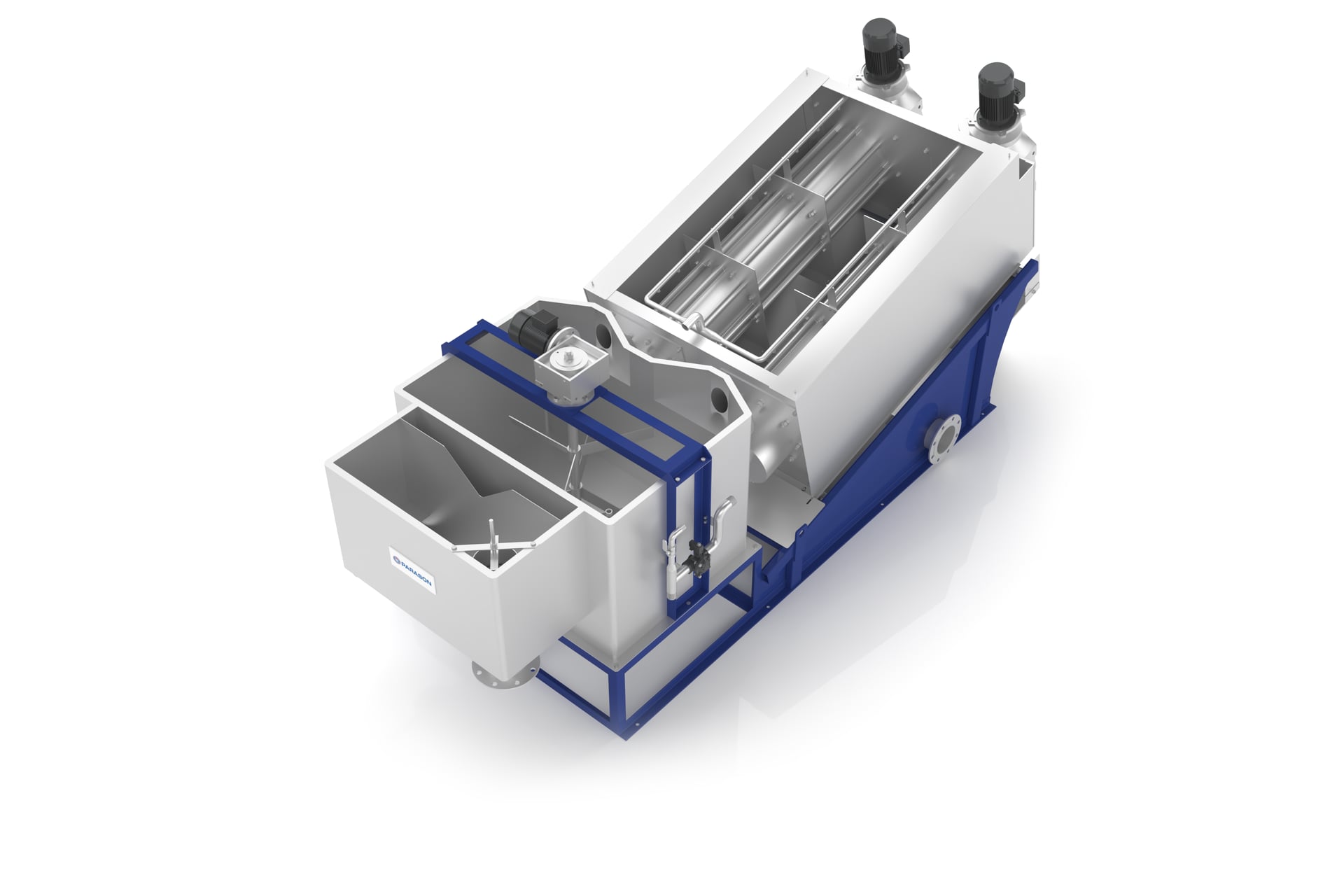
Sludge is dewatered using Belt Filter Press (BFP) or Sludge Screw Press (SSP). Dewatered sludge can be used as fuel in biomass boilers, raw material for bricks, or sent to landfill. Proper dewatering reduces disposal costs.
Is ETP mandatory for paper mills in India?+
Yes. Under the Water Act and Environment Protection Act, all paper mills must install and operate ETP meeting CPCB discharge standards. State Pollution Control Boards (SPCB) issue consent to operate based on ETP compliance.
What is zero liquid discharge (ZLD) for paper mills?+
ZLD recovers and recycles all wastewater, eliminating liquid discharge. It involves multi-stage treatment, evaporation, and crystallization. Many mills aim for maximum water recycling through their ETP to reduce freshwater intake.